
Fae: The Supernatural Beings Everyone Wants in Their Books
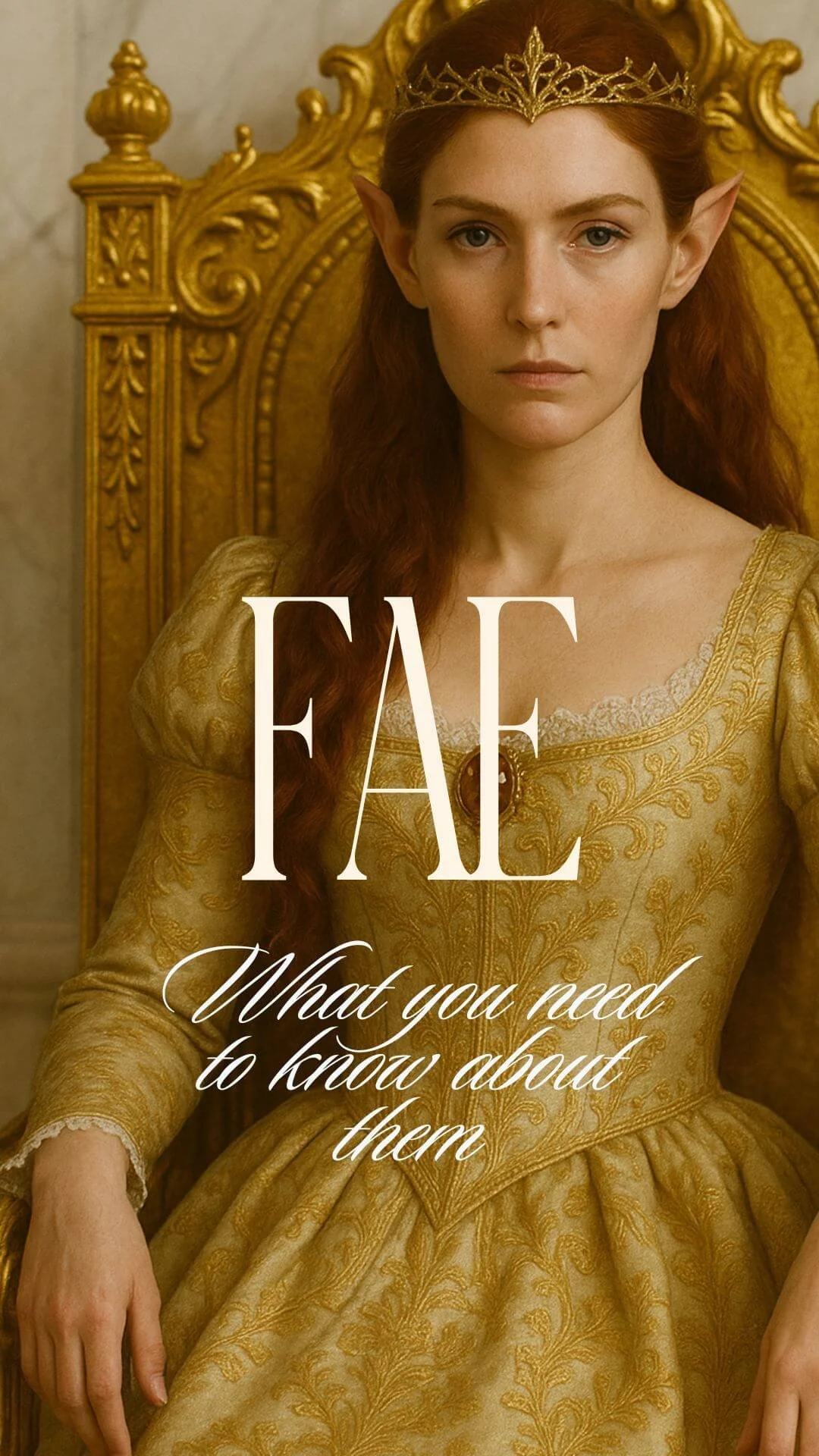
An Introduction To The Realm Of The Fae
If you read Romantasy, you’ve almost certainly encountered them: the Fae.
They might have wings — or they might not. They can be breathtakingly beautiful — or utterly terrifying. They can be deadly, or they can save you.
And above all: they have a kind of magnetic pull we can’t quite explain.
But what exactly are Fae? And how did these beings become one of the most beloved elements of modern fantasy literature?
Everything about Fae
What Are Fae?
The term Fae (sometimes spelled Fey or Faerie) comes from English folklore and describes a group of magical beings who usually live outside the human world. They are deeply connected to nature, governed by their own rules, and often depicted with an uncanny, almost eerie kind of beauty.
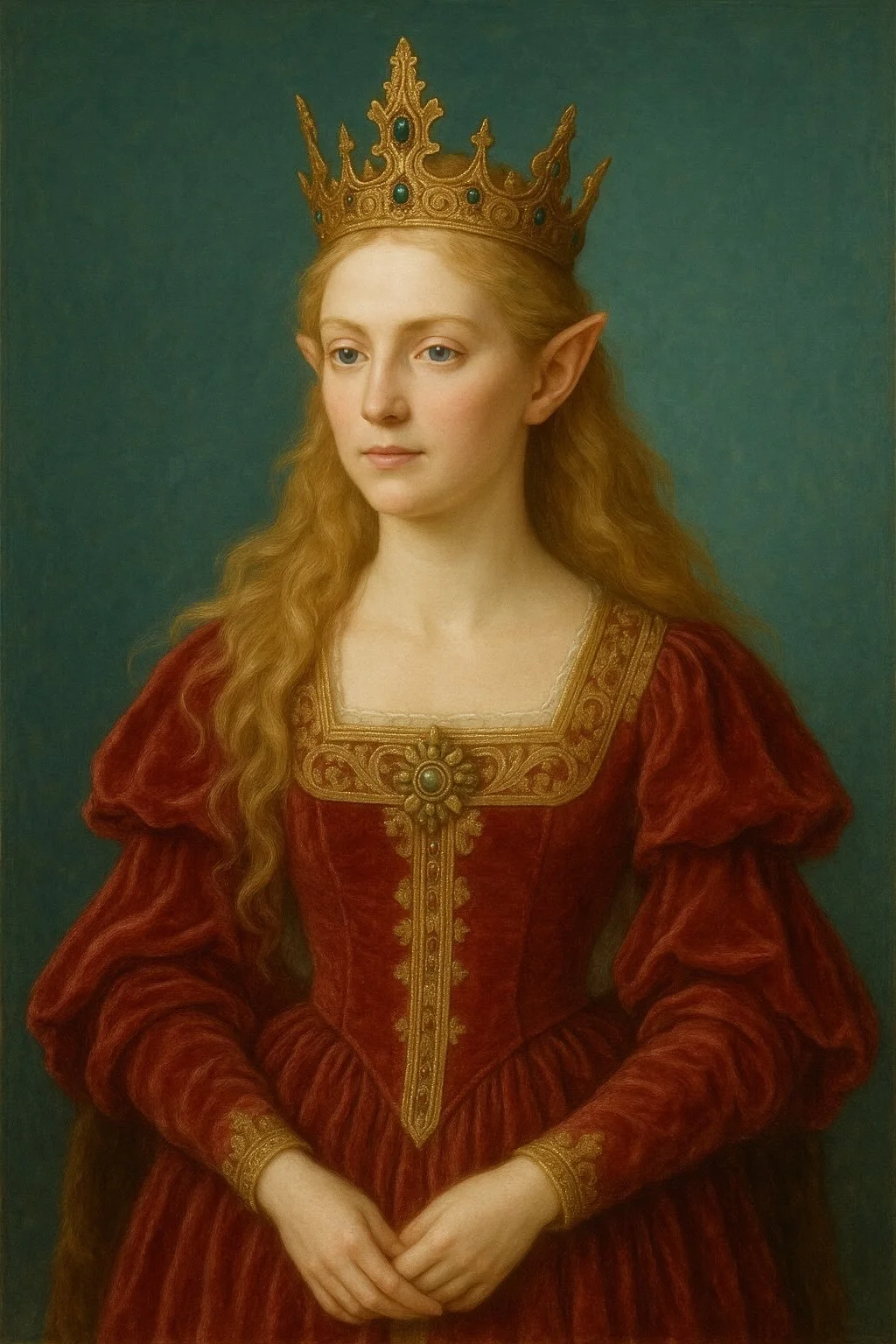
In modern fantasy, Fae are shapeshifters in storytelling form. Sometimes they look nearly human with just a slight hint of something otherworldly — sharp ears, strange eyes, an impossible grace. Other times they resemble ancient nature spirits or forces you’d rather not meet in a dark forest.
They tend to inhabit realms separate from ours — accessed through portals, shadows, or cracks between worlds. Many stories feature courts of Fae — like the Court of Night or the Sunlit Court — each with its own politics, traditions, and dangers.
And make no mistake: Fae aren’t cute sparkly creatures. In many tales they are morally ambiguous, sometimes cruel, and always fascinating because they are so completely not human.
Why Are Fae So Popular Right Now?
The answer is both simple and layered: Fae give us escapism and projection.
They are wild, free, unbound by human rules. They represent a world that operates differently than ours — deeper, stranger, more dangerous, yet more magical.
In a time when reality often feels overwhelming, stories that promise an alternate set of rules have enormous appeal. Fae worlds are complex, beautiful, brutal, and romantic all at once. They offer depth and enchantment for readers who crave that extra spark of magic.
Plus: Fae stories are filled with fierce heroines, boundary‑pushing romances, and morally complex love interests. Who could resist that?
Fairy, Fae, Faerie, Elves — What’s The Difference?
These terms are often used interchangeably, but they have different origins and connotations:
Fairy
In everyday English, “fairy” usually evokes the small, winged creatures of children’s stories — think Tinker Bell. Playful, sparkly, kindhearted.
But in older British and Celtic folklore, fairies were nothing like that. They could steal babies, curse crops, or lure travelers into the Otherworld. In modern fantasy, “fairy” often becomes an umbrella term — or simply another label for Fae.
Fae
This is the cooler, more romanticized, slightly darker version of those magical beings. Especially in Romantasy and adult fantasy, “Fae” suggests depth, mystery, and danger.
It sounds… elevated. Secretive. Even a little dangerous.
Faerie
Often used poetically or historically, “Faerie” can refer to the realm of the Fae rather than individual beings — a world apart, where magic has its own rules.
Elves
Elves come from Norse and Germanic mythologies. They’re typically tall, graceful, sometimes immortal beings connected to nature, but not always tricksters. In many modern stories they are noble or ethereal, less chaotic than Fae.
Tolkien also used a version of elves. It’s essentially the same as “elves,” but he gave it a new twist with a more epic fantasy feel due to its use in The Lord of the Rings. Who didn’t fall in love with Legolas when watching the movies?!
The Magic Of The Fae
What makes Fae truly special is not just their appearance or origin — it’s their magic.
In Fae stories, magic usually works on its own terms:
Words can be binding.
Names hold power.
There are rules humans don’t understand.
And watch out for breaking a promise — the consequences can be dire.
This magic feels ancient, almost elemental — something that lives in the roots of the earth, in moonlit glades, in the hush before a storm. It can’t be controlled — only acknowledged and respected.
In many Romantasy novels, these peculiar magical rules are what drive the plot: a bargain that becomes a trap, a rescue with a price, a kiss that changes fate instead of cementing love.
Well‑Known Fae Books & Series
Here are a few of the most beloved series where Fae play a central role:
A Court of Thorns and Roses by Sarah J. Maas
Perhaps the Romantasy series of recent years. Complex courts, shifting alliances, and deeply emotional character journeys make this a staple for Fae lovers.
The Cruel Prince by Holly Black
A gritty, political tale of Fae courts, deceit, and a heroine determined to carve out power in a world that constantly tries to break her.
Fae Tropes We Love
Let’s be honest: half the magic of Fae stories lies in the tropes… the patterns we know are coming. These are the moments that light up BookTok comment sections and make us whisper just one more chapter at 2 a.m.
Here are some of the tropes we’ll never get tired of:
The Fae prince who’s cruel to everyone — except you.
He’s power-hungry, distant, and definitely hiding something. But when you enter the room, the mask slips just enough to make your heart stop.The magical bargain that goes too far.
A deal struck in desperation — and suddenly, you owe him more than you ever meant to give.The girl who doesn’t belong in their world — but rewrites its rules.
A mortal caught in a court of immortals. She’s underestimated at first — but not for long.Kisses that taste like prophecy.
It’s not just passion — it’s fate, danger, and transformation in one breathless moment.Classical romance tropes (“one bed”) etc.
The enemy-to-everything.
When your love interest is also the obstacle, the curse, the prophecy, or the villain — and yet, you can’t stay away.
Fae tropes are irresistible because they let us step into stories where nothing is safe — not even love. Especially not love.
Related article: Everything About Romantasy As A Genre
Why We Love Fae In Books
Maybe it’s because they remind us of something we’ve lost: folklore, wonder, freedom, a world with different rules — where it’s okay to get lost.
Fae aren’t perfect heroes. They are passionate, loyal, contradictory, sometimes frightening, sometimes heartbreaking. And maybe that’s exactly why they captivate us. In a world that often feels so ordered and controlled, they offer a deliciously chaotic opposite: mystery, allure, transformation.
And let’s be honest — the supernatural beauty and those impossibly sharp ears are just icing on the cake.
The Feminist Appeal of Fae Romantasy
It might sound counterintuitive at first — what’s feminist about falling for a dangerous, immortal prince from another realm?
But if you look closer, Fae Romantasy often offers something that’s surprisingly rare in other genres: space for complex, powerful, and unapologetically messy women. (Okay, see my other article about Weird Girl Fiction where this is even MORE allowed.)
In these stories, the female protagonist doesn’t have to tone herself down. Quite the opposite. She often discovers strength not by following rules, but by breaking them — even when it means making dangerous deals, unleashing hidden power, or walking straight into a trap she knows she might not survive.
And the Fae love interest? He’s not the boy next door. He’s wild, sometimes cruel, and almost always morally gray. But in the best books, he doesn’t try to “fix” the heroine — he sees her entirely. Her rage, her softness, her ambition, her contradictions. That, in itself, is a kind of liberation.
These aren’t tales of rescue in the old “damsel in distress” kind of way. They’re tales of transformation which readers devour.
Romantasy doesn’t erase desire — it centers it. But it refuses to make female desire neat, tidy, or passive. Fae stories give readers heroines who are allowed to want too much. To make mistakes. To change. To be terrifying and tender all at once.
In a world that still teaches many women to shrink themselves, there’s something quietly radical about a girl who walks into the woods, finds a monster — and becomes something even more dangerous.

More articles in the blog: